Elevate Your Drive: Uncovering the Finest Vinyl Choices for Remarkable Auto Wraps
Vehicle wraps have grown in popularity for personalizing vehicles, providing both aesthetic appeal and protection. With various vinyl types available, each tailored to various surfaces and financial considerations, the options can be overwhelming. Understanding the nuances between finishes and materials is critical for reaching the ideal aesthetic. As the topic develops, it is evident that the proper selection significantly affects both appearance and longevity. What factors should one consider when selecting the perfect wrap?
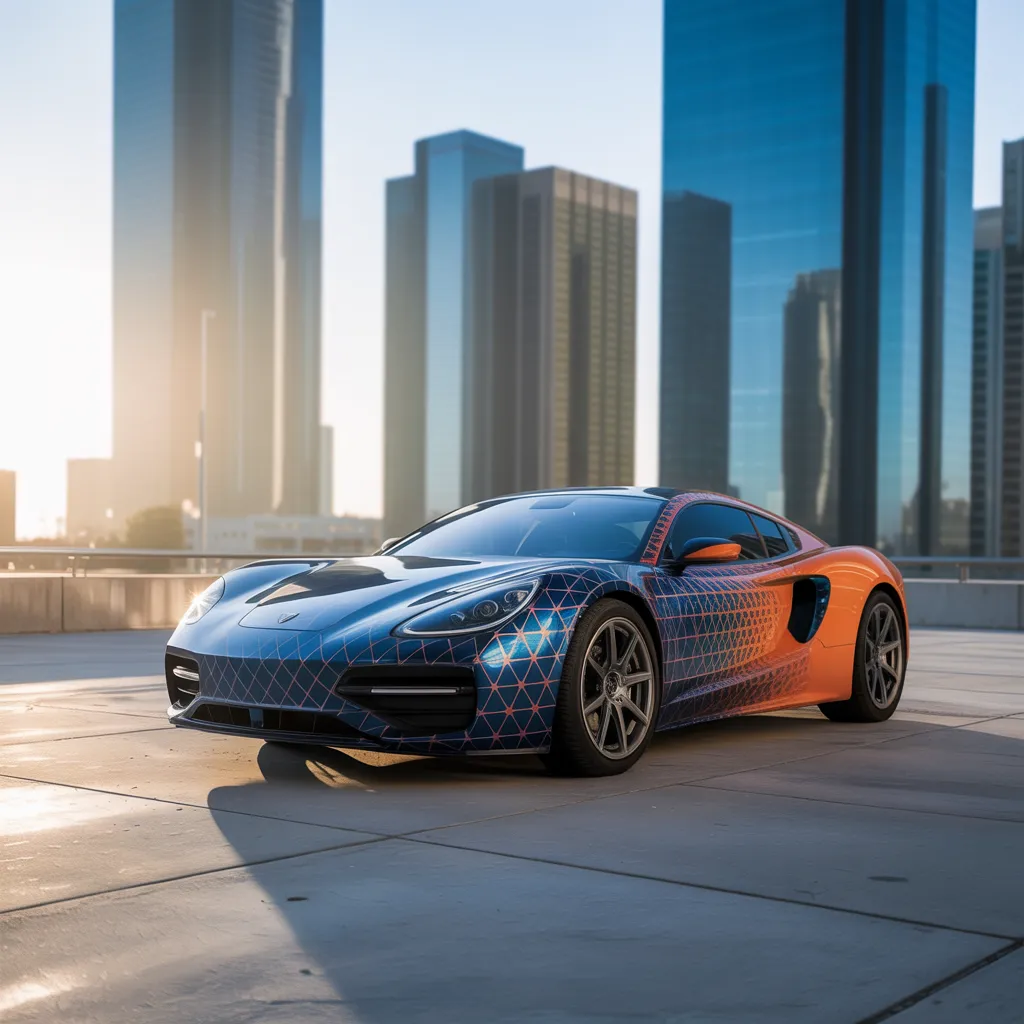
What Makes Car Wraps Superior to Paint Jobs?
Automotive wraps deliver numerous benefits when compared to standard paint finishes, establishing them as a sought-after option amongst automobile enthusiasts. A key advantage is how simple they are to apply and remove. In contrast to traditional paint, that demands significant preparation and lengthy drying periods, wraps can be fitted in a fraction of the time, enabling a rapid vehicle makeover. Moreover, vehicle wraps create a shielding barrier over the vehicle's original paint, shielding it from scratches, UV rays, and environmental damage.
A key advantage worth noting is cost-effectiveness; wraps tend to be significantly cheaper than a full paint application while providing a distinctive appearance. They additionally provide exceptional design versatility, enabling owners to choose from countless colors and patterns without the commitment of permanent paint. Furthermore, wraps are simple to replace, enabling new looks without a substantial financial commitment. In summary, these benefits explain the increasing popularity of car wraps among drivers who desire both a visual enhancement and reliable protection for their automobiles.
What Are the Different Types of Vinyl for Car Wraps?
When considering choices for vehicle wraps, understanding the various types of vinyl available is essential for achieving the desired look and performance. The most common types of vinyl for car wraps include calendered vinyl, cast vinyl, and specialty vinyl.
Cast vinyl is recognized for its strength and adaptability, making it perfect for complex surfaces and long-term applications. Calendered vinyl, by comparison, offers a more budget-friendly option yet is not as pliable, making it better suited for level surface applications.
Special vinyl varieties feature metallic, reflective, and carbon fiber textures, enabling distinctive looks that improve a vehicle's visual appeal. Each vinyl option possesses its own distinct qualities, including thickness, longevity, and application techniques. Selecting the right vinyl is essential for ensuring the best results that match individual preferences and vehicle specifications.
Glossy vs. Matte: Which Finish Best Complements Your Style?
How does one choose between glossy and matte finish options for a vehicle wrap? The choice frequently depends on personal preference and the look one wants to achieve. A glossy finish is celebrated for its bold, attention-grabbing look, boosting color depth and offering a clean, lustrous finish. This option suits those who desire a brilliant, head-turning finish that highlights the vehicle's contours.
On the other hand, matte finishes offer a subtle, contemporary appeal. They offer a unique texture that can lend vehicles a refined edge while reducing reflections and glare. This coating can often project a greater understated elegance, attracting those who favor a standout yet sophisticated appearance.
In the end, the decision between glossy and matte comes down to personal preference, with each finish offering its unique advantages and visual characteristics, giving vehicle owners the opportunity to reflect their personal style through their chosen wrap.
What Is the Lifespan of Your Vinyl Wrap?
What factors influence the longevity of a vinyl wrap? The duration of a vinyl wrap commonly spans three to seven years, based on several contributing factors. Quality of the vinyl plays an important role; premium materials often outlast cheaper alternatives. Environmental conditions play a notable role; ultraviolet radiation, temperature fluctuations, and inclement weather can hasten fading and wear. Correct installation is critical; wraps that are improperly applied may lift or develop bubbles, shortening their effective life. Consistent care, including mild washing techniques and the avoidance of abrasive products, contributes to a longer-lasting wrap. Furthermore, the position of the wrap on the vehicle influences its resilience; areas subject to greater friction or debris tend to wear out more quickly. In the end, being aware of these factors empowers vehicle owners to make well-informed choices, helping to keep their vinyl wrap looking fresh and durable for an extended period.
What Vinyl Thickness Should You Select for Your Car Wrap?
Identifying the right depth of vinyl for a auto wrap is vital for ensuring both aesthetic appeal and durability. In most cases, a thickness measurement of 2-4 mils is advised, as it provides a balance of flexibility and durability. Denser vinyl may improve durability but may also pose complications concerning application and conformability.
Perfect Thickness Range
When selecting vinyl for a car wrap, understanding the ideal thickness range is essential for achieving the finest results. Commonly, vinyl thickness spans from 2 mils (0.002 inches) to 6 mils (0.006 inches). Thinner vinyl, approximately 2 to 3 mils, provides flexibility, allowing it to easily conform to curves and contours. However, it may be less resistant to wear and tear. Conversely, thicker vinyl, around 4 to 6 mils, delivers greater durability and a more enduring visual appeal. This equilibrium between flexibility and durability is essential for optimal application and longevity. Ultimately, the choice of thickness should align with the specific requirements of the vehicle and the desired aesthetic outcome, ensuring both performance and appearance are maximized.
Effect on Durability
Durability serves a critical function in choosing the appropriate vinyl thickness for car wraps. Vinyl on the thicker end, generally between 2 and 6 mils, offers enhanced resistance to wear, tearing, and environmental factors. This increased thickness helps protect the vehicle's surface from scratches, UV damage, and weather-related deterioration. Nevertheless, despite its durability advantages, thicker vinyl tends to be less flexible, which can complicate installation, especially on contoured surfaces. In contrast, thinner vinyl is generally easier to handle but may need to be replaced more often due to everyday wear and tear. At the end of the day, the best thickness achieves a balance between longevity and ease of application, ensuring the vehicle wrap remains visually striking and protective over the long term.
How to Plan Your Car Wrap Budget
When setting a budget for a car wrap, it is crucial to establish the total material cost of the wrap material. Additionally, the cost of installation should be considered, as they can considerably affect the final price. A solid understanding of these elements will assist in forming a practical budget.
Establish Total Wrap Cost
Budgeting for a car wrap necessitates a thorough review of various factors that influence the total cost. The key element is the selected vinyl material, which fluctuates in pricing according to the quality and type of finish. Furthermore, the type and size of the vehicle have a considerable impact; vehicles that are larger or have intricate shapes typically come with greater expenses. Vehicle owners should also consider essential preparation steps, such as cleaning or repairing the underlying surface, which can contribute to the final price. It's essential to establish a budget that considers these elements while allowing for potential unexpected costs. Through careful assessment of these factors, people can develop a practical budget for their car wrapping endeavor.
Account For Installation Fees
Installation costs are a significant factor in the total expense of a vehicle wrap and cannot be dismissed during the budgeting process. These fees can vary widely based on how complex the installation is, the expertise of the installer, and the size of the vehicle. Typically, expert installation ensures a high-quality finish, reducing the chances of bubbles or misalignment.
To manage costs efficiently, it is beneficial for car owners to request pricing from various installers, comparing services and expertise. Some may offer package deals that cover both supplies and labor, which can provide better value. Planning for these expenses upfront will eliminate unwanted financial surprises and ensure a seamless, professional wrap installation.
Key Tips for Preserving Your Car Vinyl Wrap Over Time
Preserving a car vinyl wrap is essential for sustaining its vibrant appearance and maximizing its lifespan. Routine cleaning is essential; employing a soft sponge or cloth with gentle soap helps wash off dirt and residue without scratching the vinyl. It is recommended to steer clear of automatic car washes with brushes, as they can damage the surface.
In addition, applying a protective sealant can increase resistance to UV rays and durability. Parking in shaded areas or using a car cover can further prevent fading and damage from sunlight.
It is essential to deal with any scratches or tears immediately to keep moisture from getting under the wrap, which can result in peeling. Furthermore, routine checks for any signs of wear can assist in detecting problems before they worsen, guaranteeing the wrap stays in top condition. By implementing these recommendations, car owners can take full advantage of the aesthetic appeal of their vinyl wraps for a long time.
Common Questions and Answers
Should I Wrap My Car Myself, or Is It Better to Hire a Professional?
Wrapping a car oneself is possible but requires skill and patience. Hiring a professional guarantees a flawless finish, as they possess experience and tools that can greatly reduce mistakes and enhance the overall appearance.
In What Ways Do Weather Conditions Impact the Longevity of Car Wraps?
Environmental factors considerably affect vinyl wrap longevity. Extreme temperatures, humidity, and UV exposure can contribute to color fading, material peeling, or bubble formation. Proper installation and maintenance are essential to maximize lifespan under changing environmental circumstances.
Do Car Wraps Have Any Color Restrictions?
Color constraints for car wraps stem primarily from the range of available vinyl shades and textures. Even though most colors are readily accessible, particular custom tones might necessitate special orders, potentially driving up costs and delivery times for buyers.
Will a Car Wrap Affect My Vehicle's Resale Value?
A car wrap can have a positive or negative impact on a vehicle's resale value. A high-quality wrap is likely to appeal to buyers looking for personalized vehicles, while poor application or damage could turn away interested buyers, impacting overall vehicle desirability and marketability.
Is It Possible to Remove a Vinyl Wrap Without Harming the Paint Underneath?
Yes, a vinyl wrap can usually be taken off without harming the base paint, as long as it was properly applied and the paint is in good condition. Correct methods and equipment can additionally limit any likely damage during removal.